Why Publish With JNSPS?
We are committed to supporting you throughout your publishing journey — from submission, through peer review, to publication and promotion.
Open Access
JNSPS is a strong supporter of open access. All research articles published in JNSPS are fully open access.
Read more →Refereed
JNSPS is committed to serving the scientific community through a single-blind peer-review process.
Read more →Indexed
The journal is indexed and abstracted in DOAJ, Scopus, Crossref, Google Scholar, WorldCat, ResearchGate and other scholarly services.
Read more →Publication Charges
APC is 100,000 NGN for an active Nigerian member of NSPS. Non-members or inactive members pay 300 USD or its Naira equivalent.
Read more →Current Issue

Computer Science
-
 382 124 Cited —
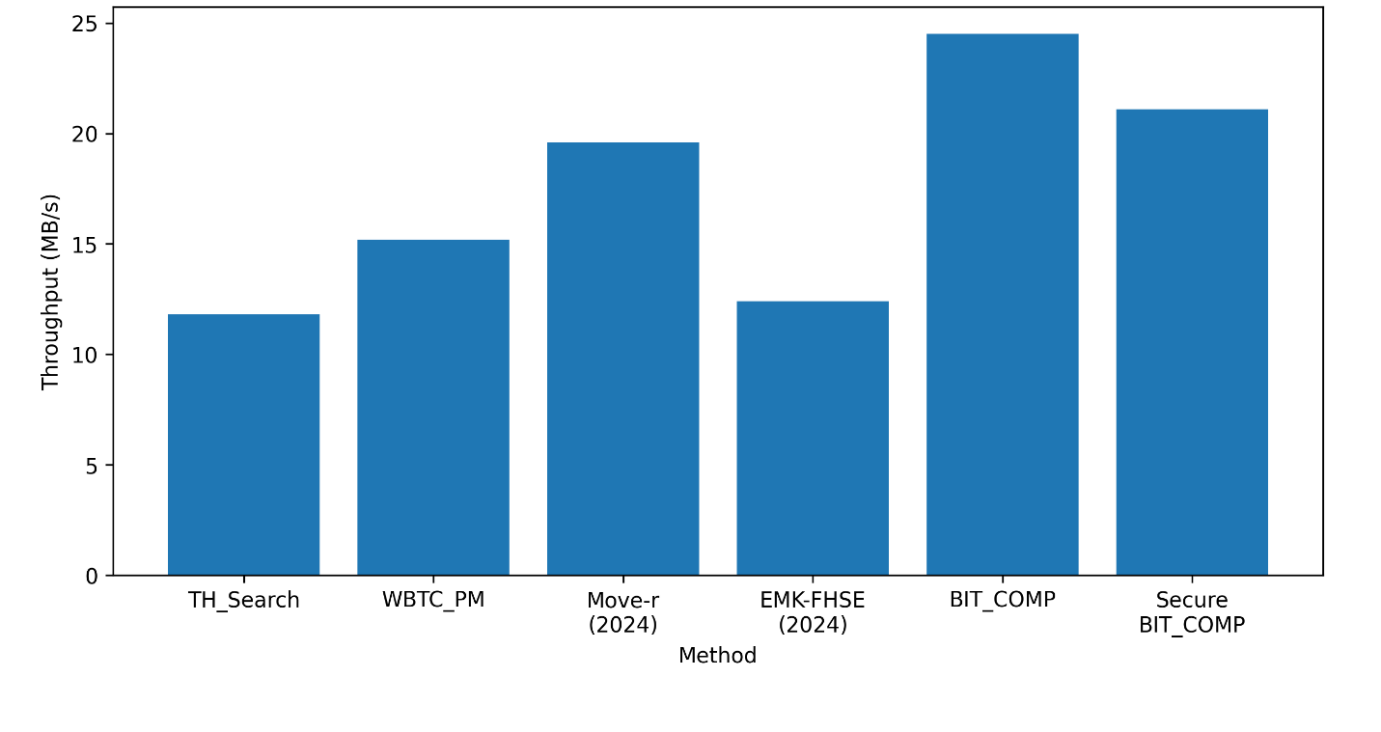
With the tremendous growth of cloud computing, cyber threat intelligence systems, and compressed big-data storage, efficient and secure compressed pattern-matching techniques are in high demand. …
-
 329 74 Cited —
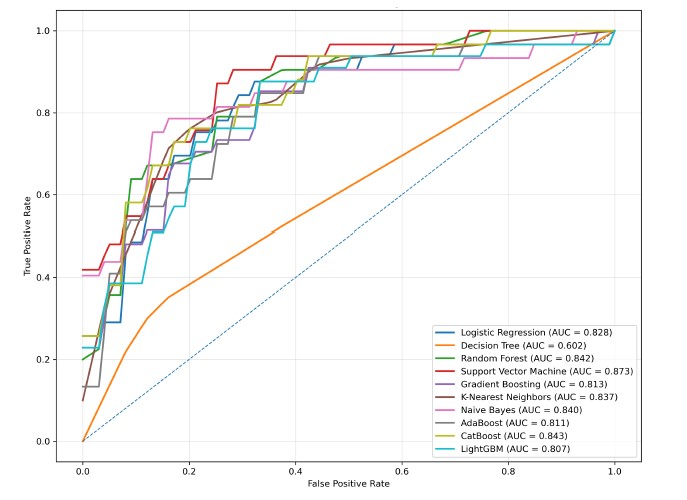
Machine learning (ML) models for hepatitis B virus (HBV) outcome prediction must address high variance, bias, and class imbalance. Previous ensemble-learning studies have commonly combined only two models …
-
 367 132 Cited —
The proliferation of agricultural medicines has supported crop productivity, but counterfeit pesticides, herbicides, fertilizers, and bio-based products, fragmented supply-chain management, and limited …
Mathematics & Statistics
-
 573 109 Cited —
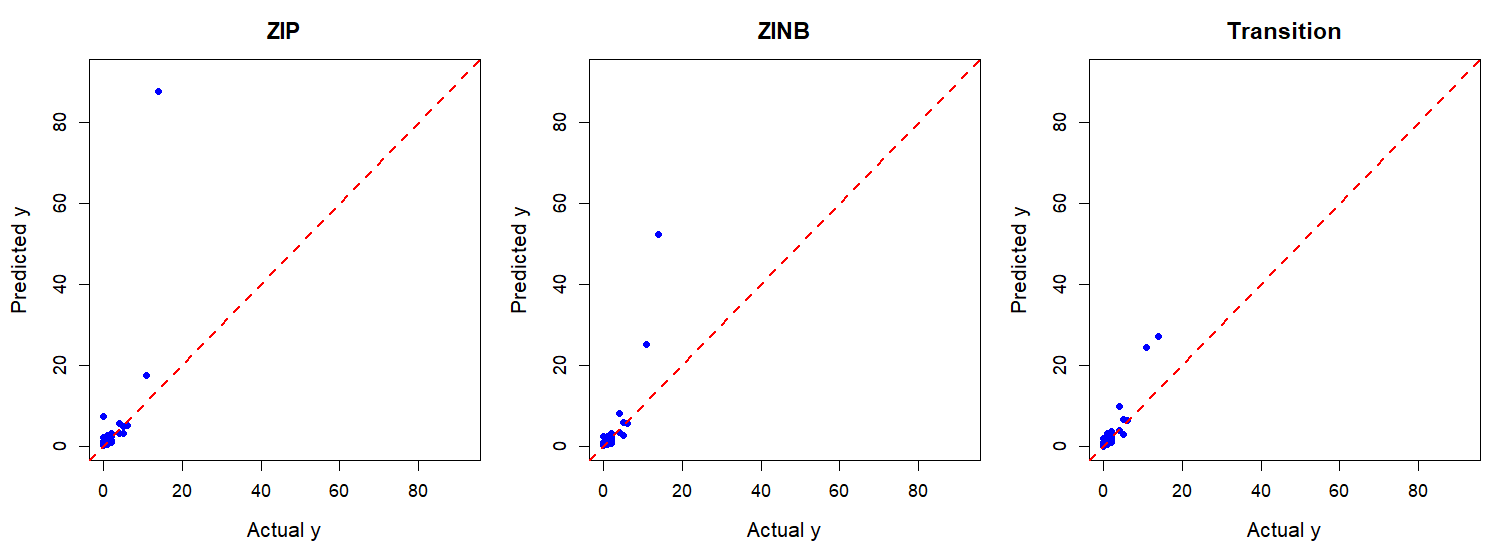
Zero-inflated count data are commonly modelled by mixing a degenerate distribution at zero with a Poisson or negative binomial component, thereby imposing a parametric form on the counts. The transition …
-
 307 75 Cited —
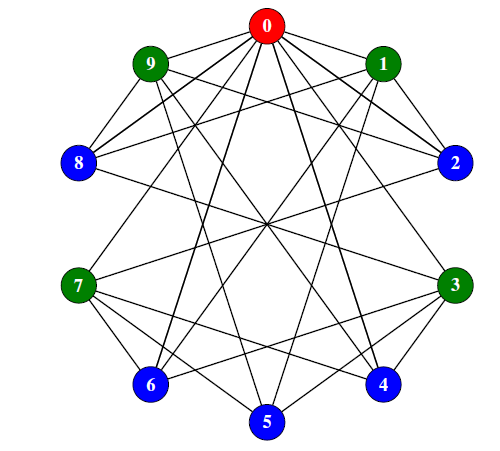
This paper introduces the inverse-order divisor graph associated with a finite group G, a hybrid graph obtained by combining the adjacency conditions of the order-divisor graph and the classical …
-
 307 127 Cited —
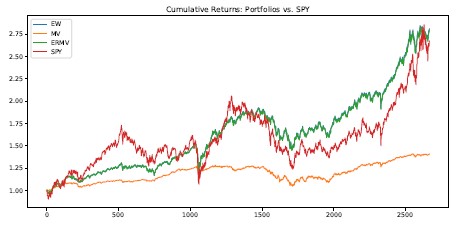
This study examines whether Shannon entropy regularization can mitigate the concentration associated with classical minimum-variance portfolio optimization while preserving risk-adjusted performance. Using …
-
 368 92 Cited —
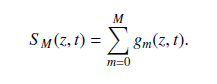
This study develops a double Laplace--Sawi decomposition technique for nonlinear partial differential equations by coupling the double Laplace--Sawi transform with Adomian polynomials. In contrast with a …
-
 164 51 Cited —
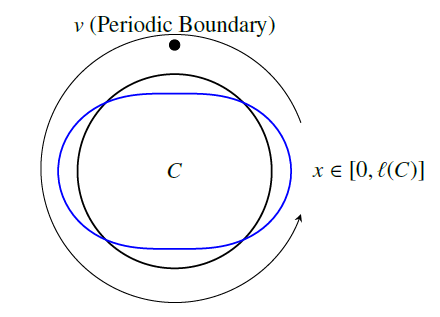
We study how the spectral gap λ1(G) of a compact metric graph equipped with the Kirchhoff Laplacian depends on its geometric and topological features. First, we examine …
-
 133 41 Cited —
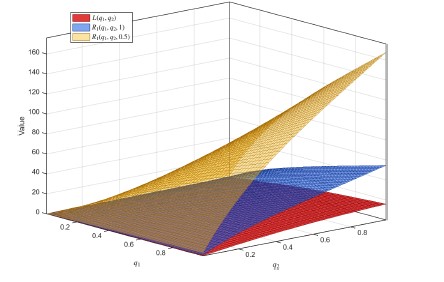
We establish new q-trapezoid-type inequalities for q-differentiable coordinated strongly s-convex functions on bidimensional intervals. A symmetric modulus convention is adopted …
-
 335 90 Cited —
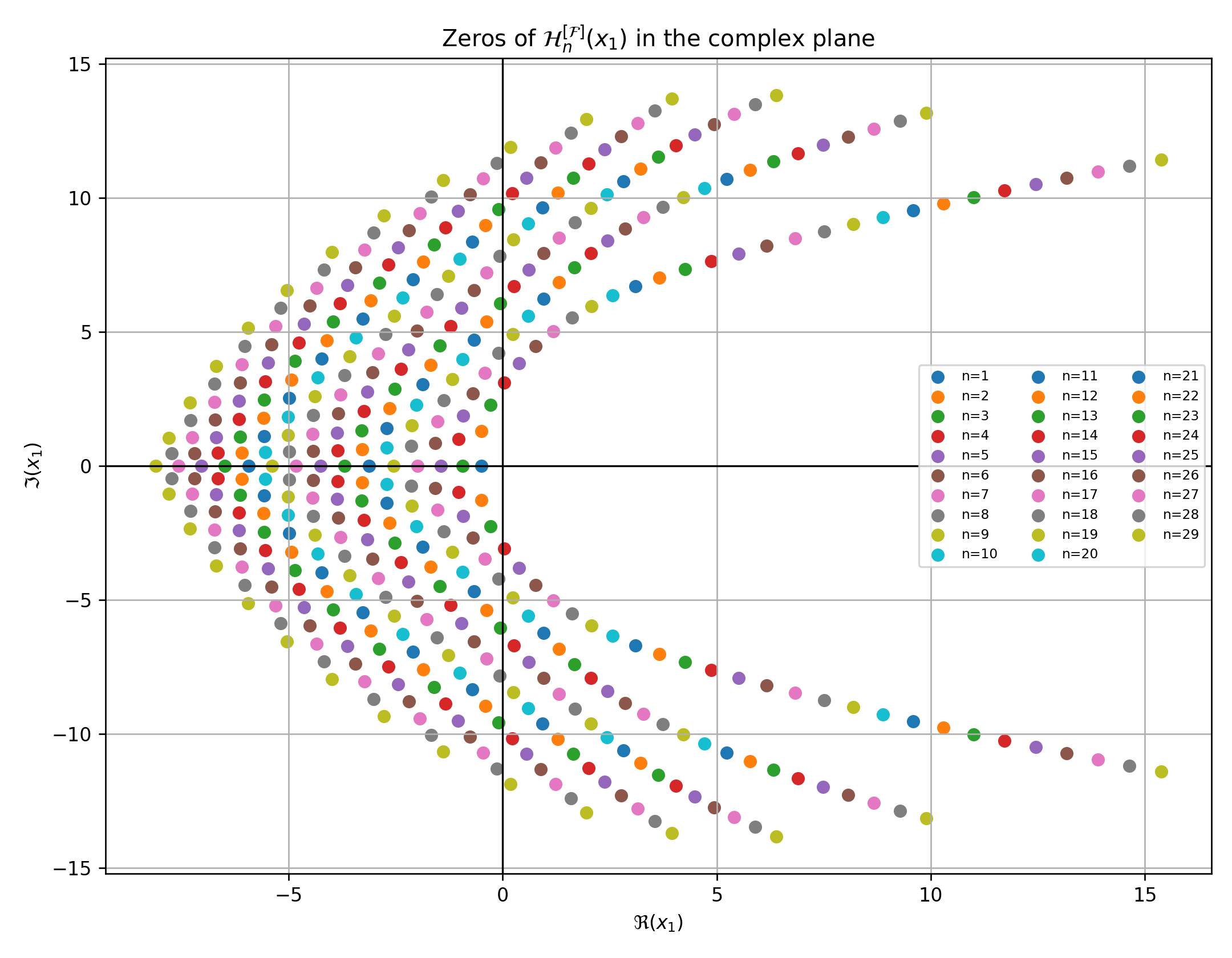
In this article, we introduce degenerate multivariate Hermite--based Fubini polynomials by convoluting three-variable degenerate Hermite and Fubini polynomials. First, we derive the generating function …
-
 165 93 Cited —
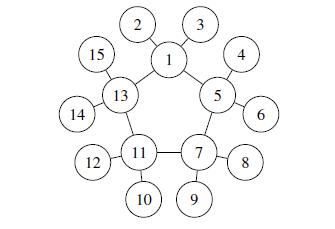
A graph G admits a prime labeling if its vertices can be assigned the integers 1,2,. . . ,|V(G)| so that every pair of adjacent vertices receives coprime labels; a graph with this property is …
Physics & Astronomy
-
 0 0 Cited —
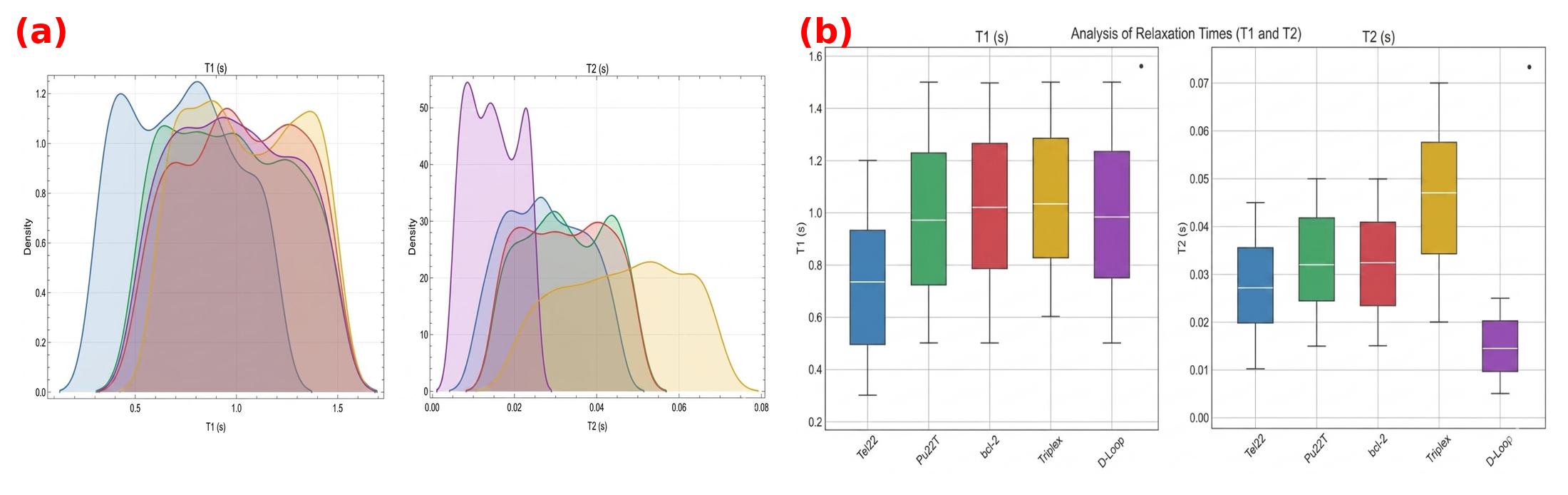
Rare DNA intermediate structures are essential for biological processes in living organisms, including protein folding and unfolding, gene transcription, and replication. Studies have been conducted on DNA …