Volume 8, Issue 2, May 2026
The Journal of the Nigerian Society of Physical Sciences is pleased to present Volume 8, Issue 2, May 2026, published under the issue DOI https://doi.org/10.46481/jnsps.2026.8.2. This issue brings together a rich and multidisciplinary collection of articles spanning chemistry, computer science, mathematics and statistics, and physics and astronomy. The contributions reflect the journal’s continuing commitment to publishing high-quality research that addresses both fundamental scientific questions and practical challenges of technological, environmental, agricultural, biomedical, and industrial relevance.
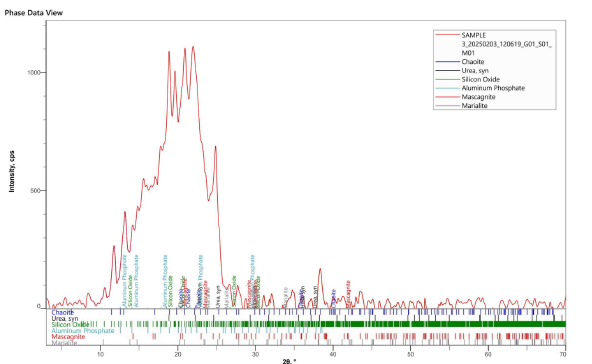
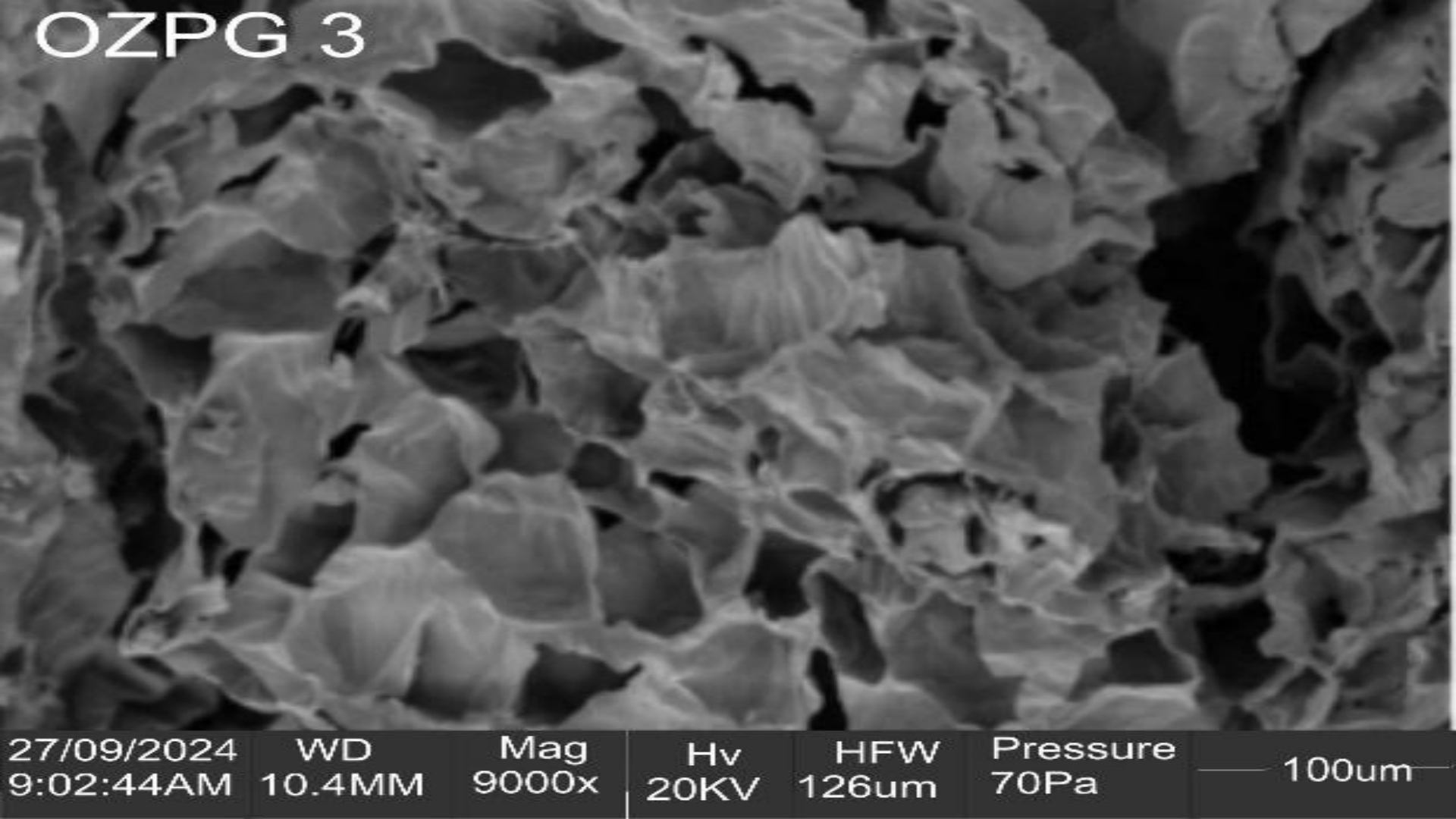
The chemistry articles in this issue highlight the growing importance of sustainable materials, environmental remediation, and functional chemical systems. The study on cattle rumen content, rice husk, and cow horn biochars as soil amendments contributes to ongoing efforts to develop cost-effective and locally available materials for the remediation of petroleum-hydrocarbon-contaminated soils. By examining physicochemical properties and phase characteristics, the work offers useful insight into the potential of agricultural and animal-derived wastes as value-added resources for environmental restoration. In a related direction of functional materials chemistry, the article on a fluorescent copper(II) complex based on 4,4-oxybisbenzoic acid and benzimidazole demonstrates the relevance of coordination compounds in the selective detection of nitroaromatic compounds. The issue also features a contribution on the biogenic synthesis of metal oxide nanoparticles mediated by orange peel extract for the photocatalytic degradation of methylene blue dye, further emphasizing the role of green synthesis and photocatalysis in sustainable pollution control.
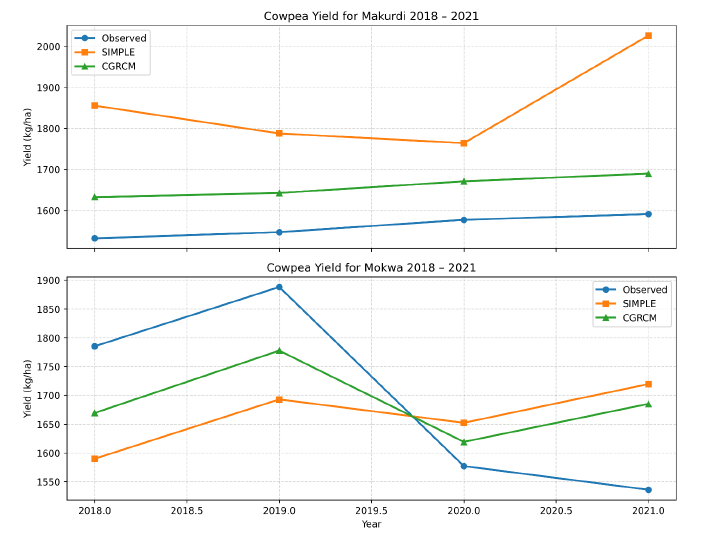
The computer science section presents studies that connect computational intelligence with agricultural productivity and sustainable monitoring systems. The hybrid process-based and neural network post-processing model for cowpea yield prediction under climate variability in North Central Nigeria addresses a critical agricultural concern by combining mechanistic understanding with data-driven learning. Such integrated modeling approaches are increasingly important for improving crop forecasting, supporting food security, and guiding climate-resilient agricultural planning. The feature-optimized hybrid CNN–ViT architecture for vision-based condition assessment in agriculture further demonstrates how modern artificial intelligence can be deployed for practical field applications, particularly in automated inspection, crop monitoring, and sustainable agricultural management.
Mathematics and statistics remain strongly represented in this issue, with contributions covering applied modeling, numerical analysis, optimization, graph theory, epidemiology, reliability theory, fluid mechanics, and fractional differential equations. The article on geographically weighted regression random forest for modeling soil particles illustrates the value of hybrid statistical and machine-learning methods in spatial environmental analysis. Several papers address disease dynamics and control, including mathematical models for HPV and cervical cancer progression, schistosomiasis transmission, and maize yield under co-infection by maize streak virus and maize stripe virus diseases. These studies underscore the continuing importance of mathematical epidemiology and biological modeling in understanding complex transmission processes and assessing intervention strategies.
This issue also includes significant advances in numerical and analytical methods. The descent-safeguarded PRP-type conjugate gradient method contributes to optimization theory through global convergence analysis and benchmark validation, while the shifted ultraspherical collocation method for fractional advection-diffusion equations expands the computational toolbox for fractional-order models. Other works examine Love-type surface waves in thermoelastic media, hydromagnetic Casson nanofluid flow, inverse physics-informed neural networks for parameter estimation, dual-damped Euler–Bernoulli beam dynamics under moving mass, and double jump fractional uncertain differential equations. Collectively, these articles demonstrate the breadth of contemporary mathematical sciences and their close connections to engineering, geophysics, mechanics, telecommunications, and uncertainty quantification. The contribution on star-like transformation semigroups for modeling telecommunication signal strength and user experience also reflects the expanding interface between abstract mathematical structures and real-world communication systems.
The physics and astronomy section focuses on polymer gel dosimetry and its relevance to clinical radiotherapy. The article on factors influencing the thermal stability of HEMA polymer gel dosimeters examines a key issue in radiation dosimetry, where material stability and reproducibility are essential for accurate clinical application. Complementing this, the study on the temperature- and frequency-dependent ultrasound response of poly(N-vinylcaprolactam) polymer gel dosimeters provides insight into the acoustic characterization of irradiated polymer gels. Together, these contributions advance the understanding of dosimetric materials and support the broader objective of improving precision and reliability in radiotherapy-related measurements.
Taken as a whole, this issue reflects the interdisciplinary spirit of the physical sciences and their allied fields. The articles move across scales and systems, from molecular complexes and biochar amendments to neural networks, disease models, optimization algorithms, elastic waves, nanofluids, structural dynamics, and polymer gel dosimeters. They also show how scientific research can respond to urgent societal needs, including environmental protection, agricultural resilience, public health, telecommunications, industrial reliability, and medical physics.
On behalf of the Editorial Board, I express sincere appreciation to all authors for choosing the Journal of the Nigerian Society of Physical Sciences as a platform for disseminating their work. I also thank the reviewers, associate editors, and editorial staff whose careful assessments, technical guidance, and professional dedication continue to strengthen the quality and integrity of the journal. We remain committed to rigorous peer review, timely publication, and the promotion of impactful scientific scholarship across Nigeria, Africa, and the global scientific community.
We invite readers to engage deeply with the articles in this issue and to explore the diverse methods, results, and applications presented by the contributing authors. It is our hope that the studies published in this volume will stimulate further research, encourage collaboration, and contribute meaningfully to scientific innovation and sustainable development.
B. J. Falaye, PhD, LNSPS
Editor-in-Chief, Journal of the Nigerian Society of Physical Sciences
Chemistry
-
 553 344 Cited —
Petroleum hydrocarbon contamination of soil is a major environmental challenge in crude-oil-producing areas. Agricultural and abattoir wastes are promising low-cost soil amendments but remain greatly …
-
![Photoluminescence Spectra of [Cu(OBA)2(Beim)(H2O)] and its ligands.](https://journal.nsps.org.ng/public/journals/1/submission_3130_3077_coverImage_en.png) 594 341 Cited —
594 341 Cited —Nitroaromatic compounds (NACs) are electron-deficient aromatic molecules extensively used in explosives, dyes, and pesticides, and their high toxicity and environmental persistence pose serious risks to …
-
 736 311 Cited —
Synthetic azo dyes, widely used in various industries, pose serious environmental and health risks due to their toxic, non-biodegradable, and carcinogenic nature when released into aquatic ecosystems. This …
Computer Science
-
 570 311 Cited —
Agriculture has sustained human civilisation for centuries, yet it remains a sector in critical need of technological advancement. Existing crop-growth and yield-prediction methods lack a simple and …
-
 851 234 Cited —
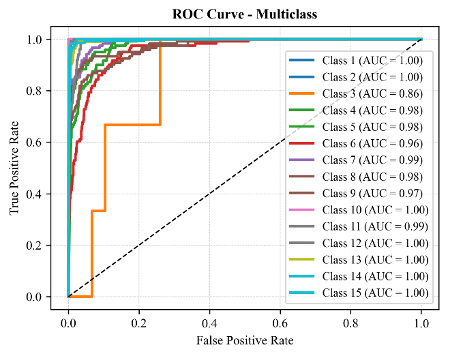
Early detection of structural and physiological changes in plants remains a difficult challenge for computer vision because of large intra-class variation and environmental noise. This paper integrates …
Mathematics & Statistics
-
 906 391 Cited —
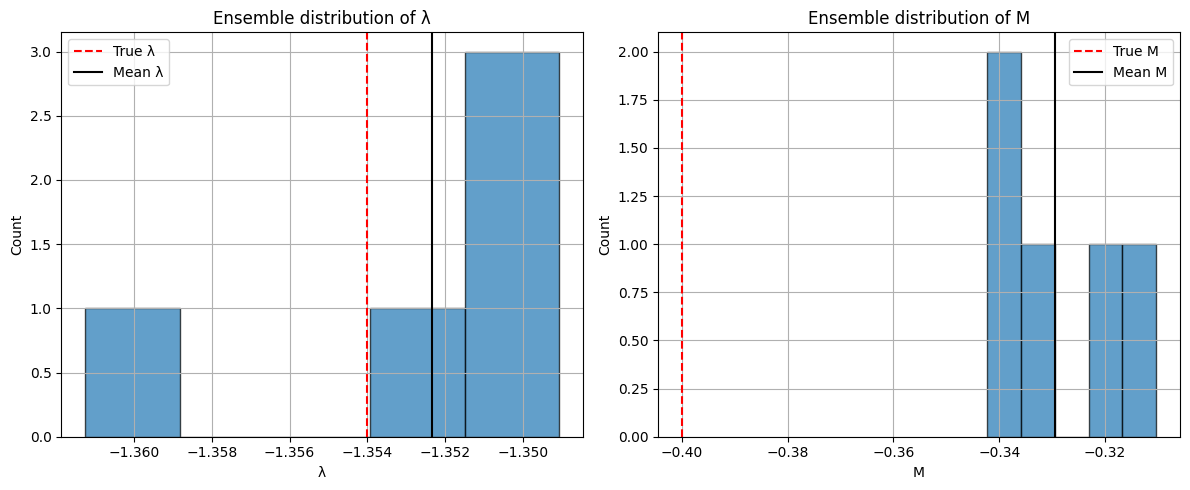
An inverse physics-informed neural network (I-PINN) framework is developed for joint parameter estimation and field reconstruction in steady mixed convection with melting in a porous medium. Focusing on …
-
 562 206 Cited —
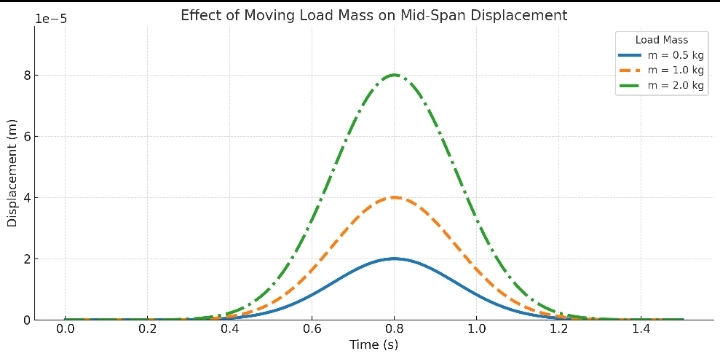
This study investigates the dynamic behavior of a dual-damped Euler-Bernoulli beam carrying a moving mass and supported on a Pasternak foundation, with the aim of improving prediction and control of …
-
 799 239 Cited —
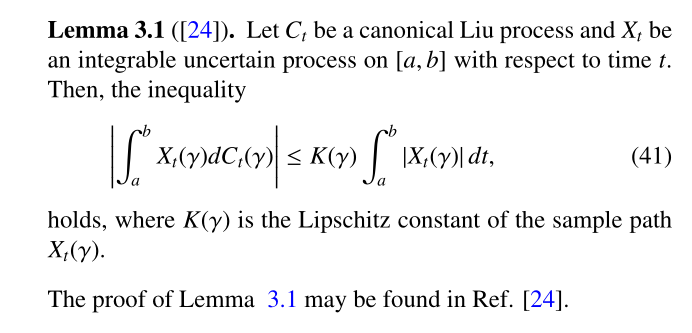
Fractional uncertain differential equations have been used to model random processes in economics and other fields that exhibit jumps, dependency, and nonlinearities, and which possess uncertainties due to …
-
 786 298 Cited —
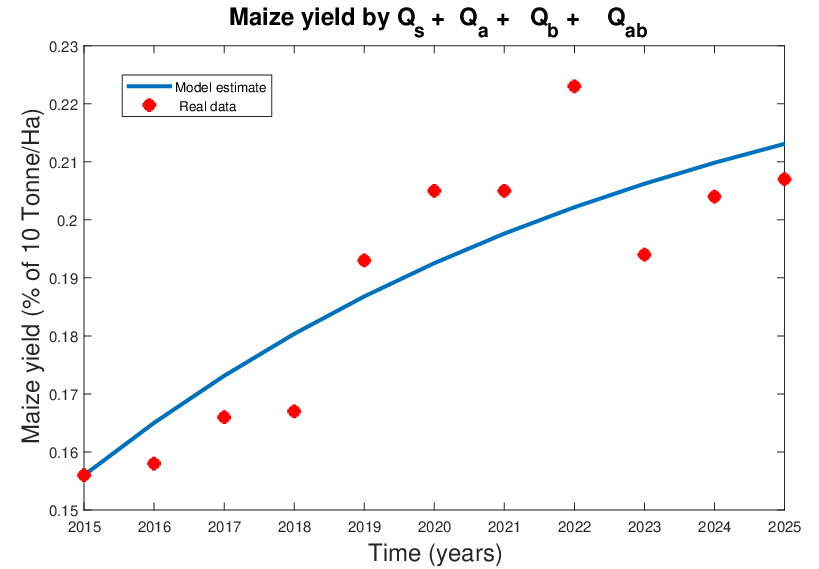
Maize is a staple food for billions of human globally. It is a very important food crop for sustaining global food security, livelihoods, and economic development. Despite the valuable advantages of maize, …
-
 1410 387 Cited —
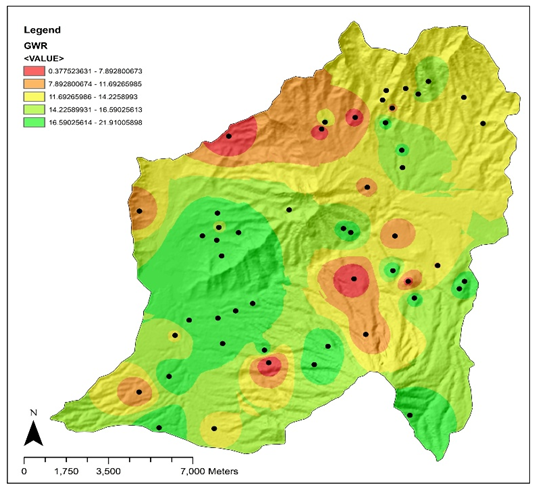
Clay particles play a vital role in determining soil quality, particularly in the fields of agriculture and conservation. However, the complex and non-linear spatial distribution of clay particles is …
-
 1036 409 Cited —
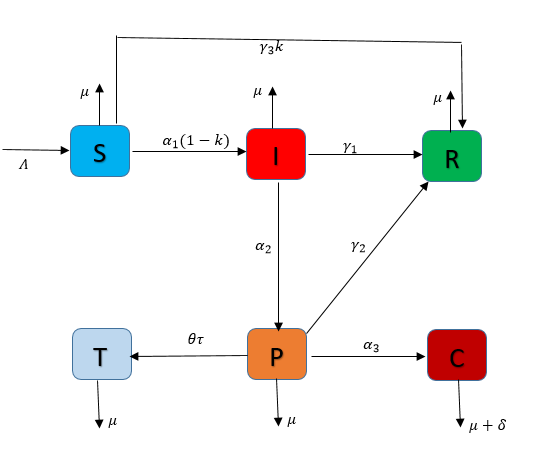
Human papillomavirus (HPV) is a global health problem that causes the vast majority of cervical cancers. { A novel mathematical model for HPV, as it progresses to cervical cancer, was formulated using a …
-
 599 155 Cited —
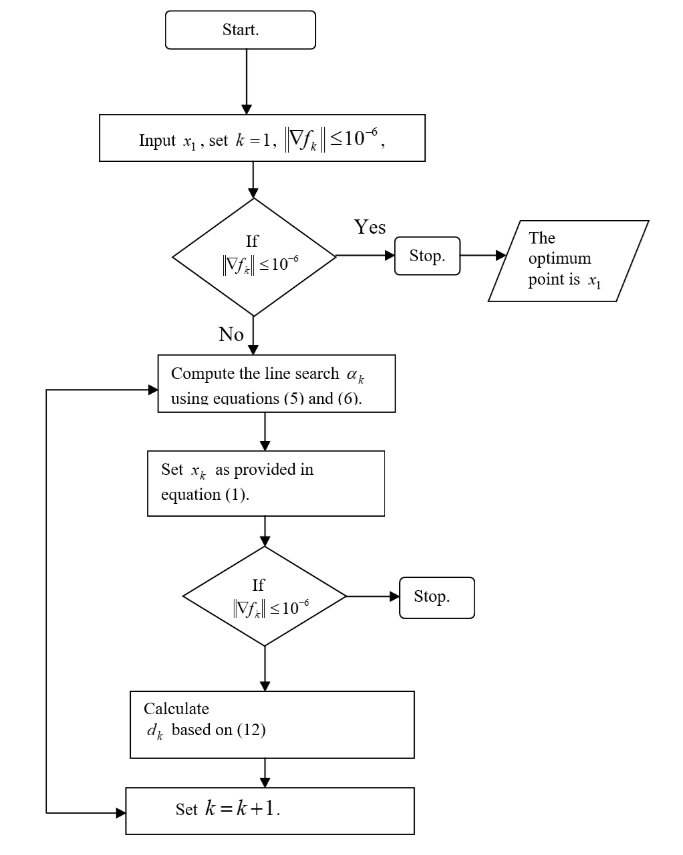
Conjugate gradient (CG) methods are widely used for solving large-scale unconstrained optimization problems. Well-known methods, such as the Polak-Ribière-Polyak and Hestenes-Stiefel methods, may not …
-
 798 248 Cited —
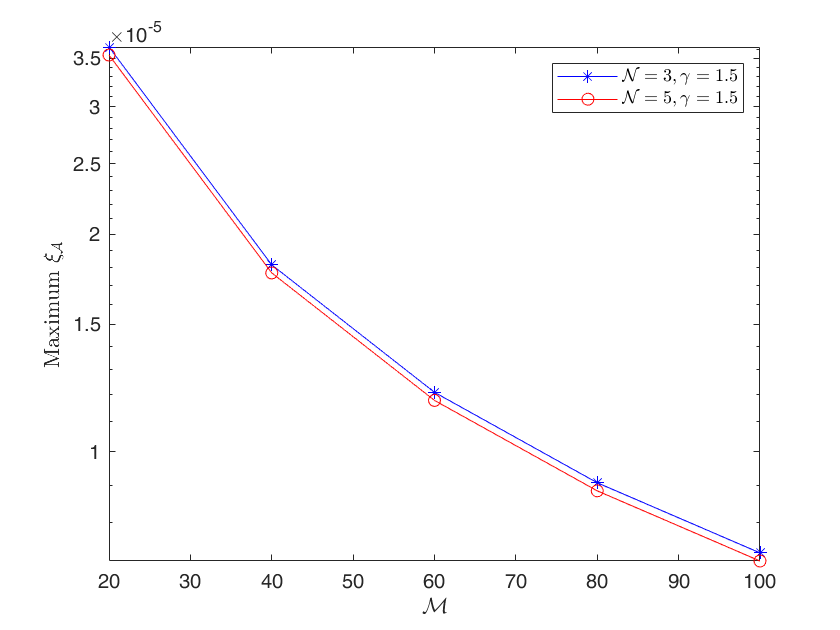
In this article, we develop an approximate technique for solving a fractional advection-diffusion equation with a generalized Caputo derivative via a finite difference scheme. This technique employed the …
-
 818 331 Cited —
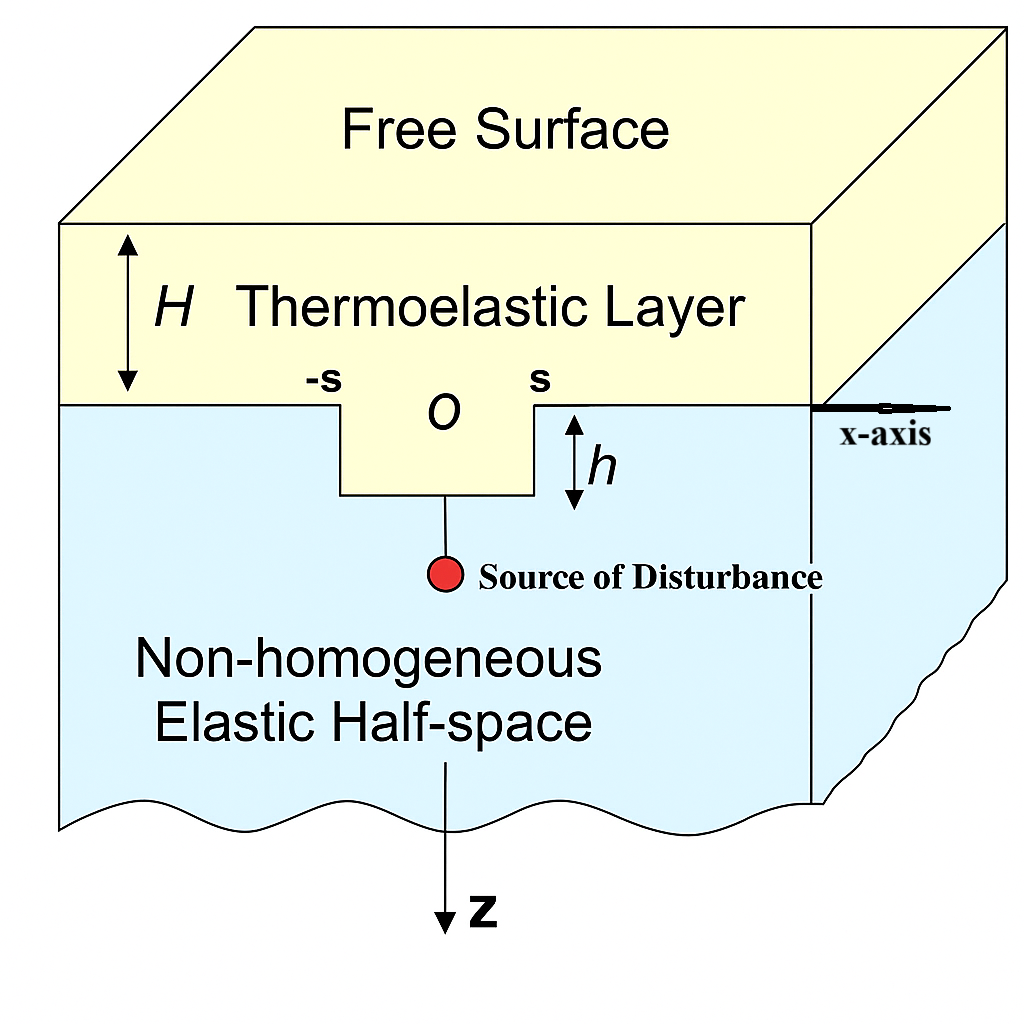
This study explores the dispersion characteristics of Love-type surface waves in a composite elastic media consisting of an isotropic thermoelastic layer resting over nonhomogeneous elastic …
-
 746 227 Cited —
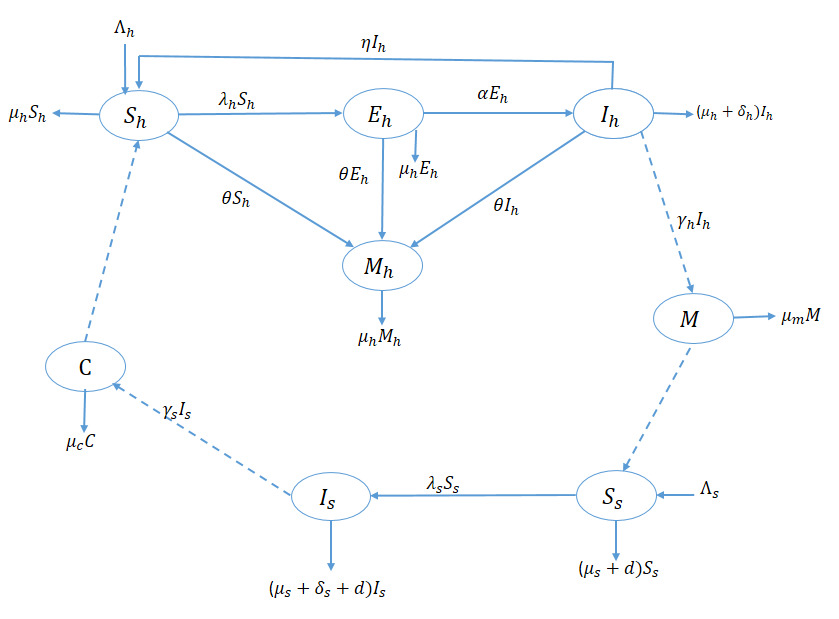
Schistosomiasis is caused by parasitic flatworms known as schistosomes. Humans become infected when they come into contact with freshwater containing these parasites. Many communities have only a limited …
-
 1001 289 Cited —
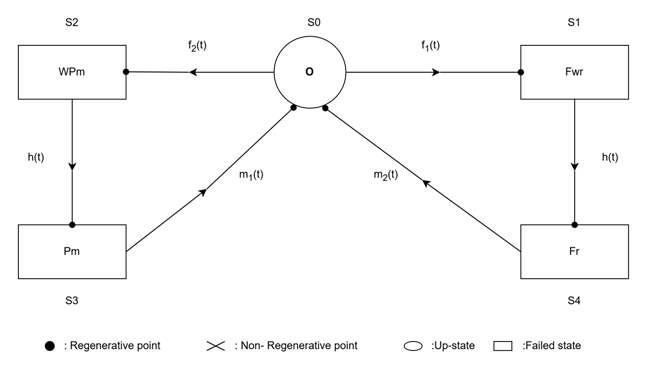
The study seeks to determine the reliability features of the single unit repairable systems around the roles of the maximum operating time, preventive maintenance (PM), and the server arrival time. The …
-
 529 236 Cited —
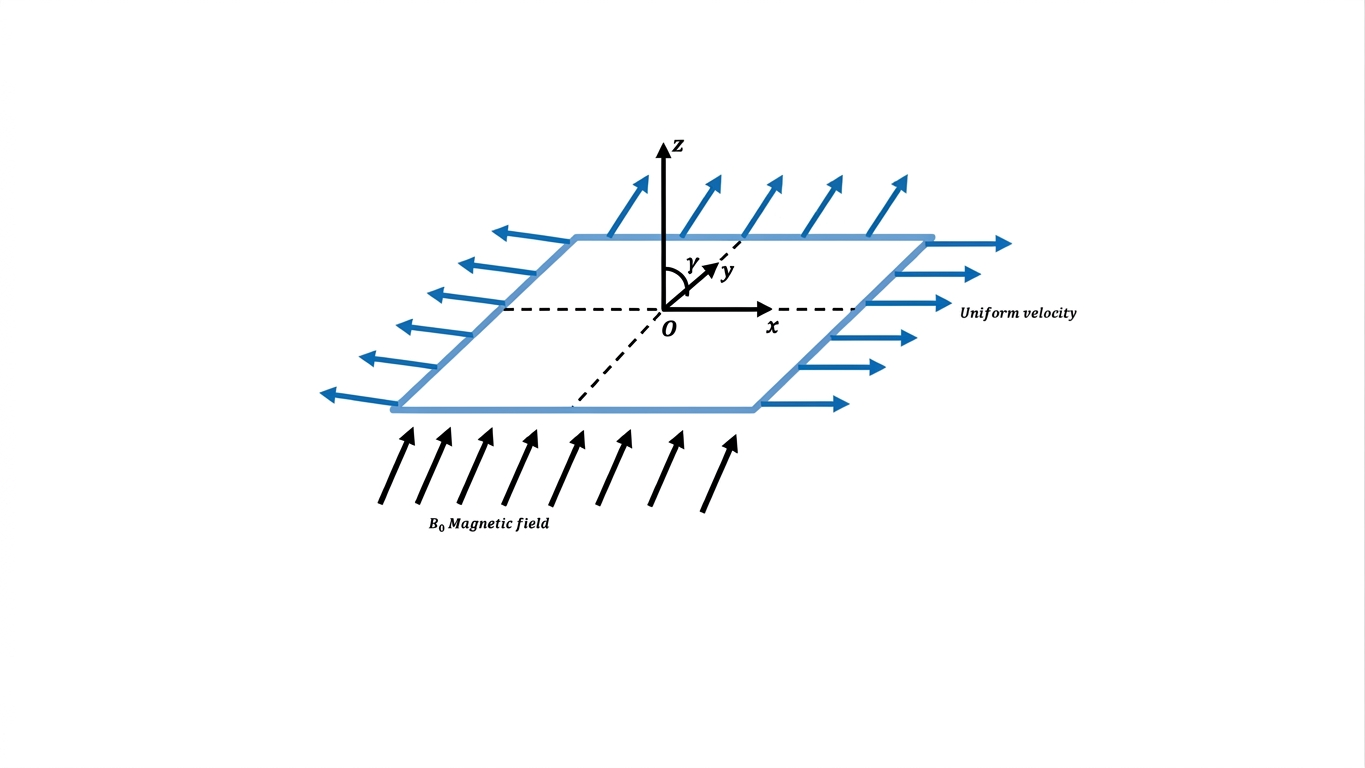
This study investigate, the numerical analysis of heat and mass transfer in Hydro magnetic Casson Nano particle flow past a stretching surface by including the effect of Hall current, thermophoresis and …
-
 650 179 Cited —
An efficient and mathematically sound method for simulating the distributions of telecommunication signals is the star-like semigroup convolution model. A rigorous operator-theoretic measure of signal …
-
 313 163 Cited —
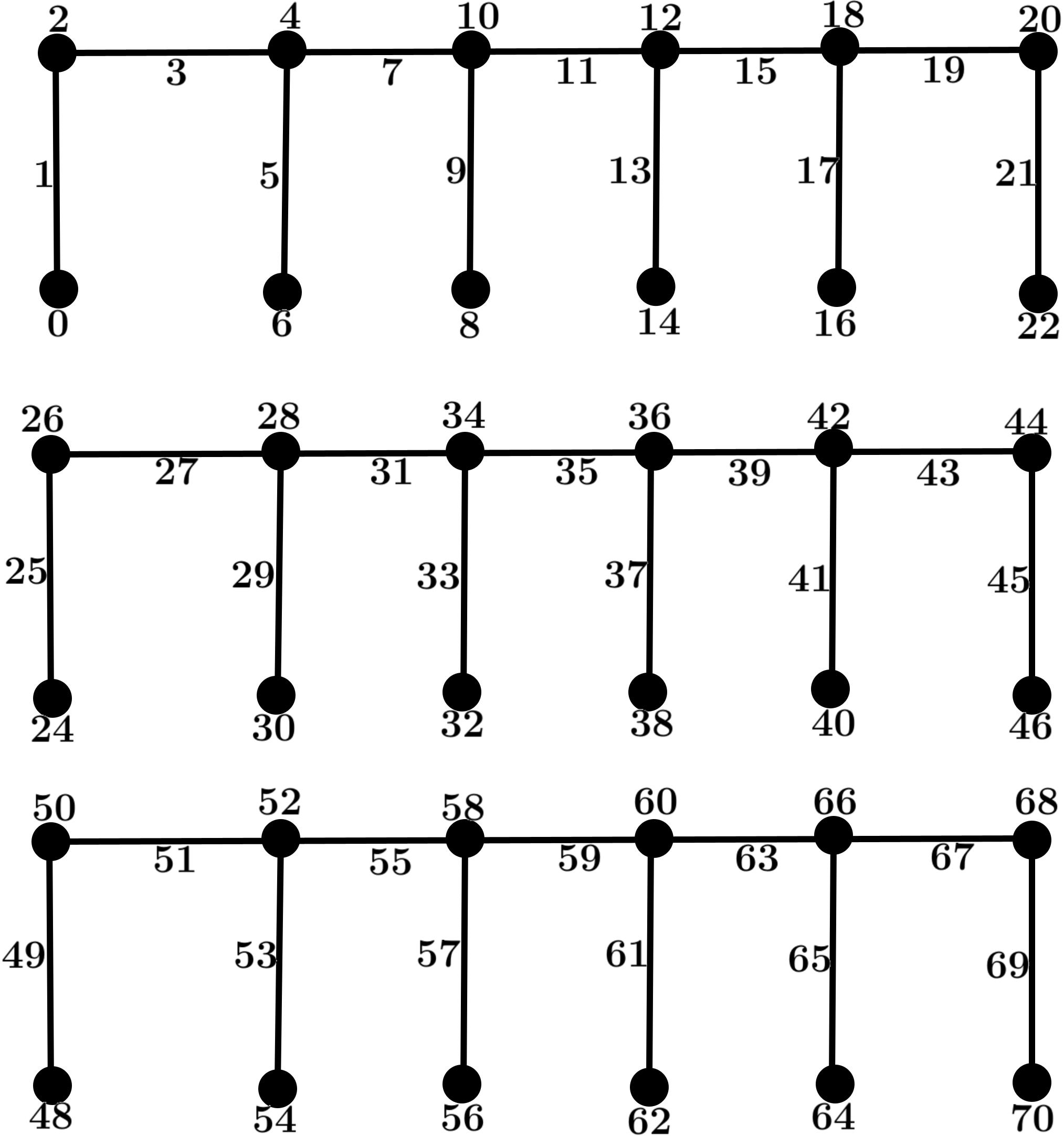
This paper introduces and investigates a relaxed variant of even vertex odd edge root square mean labeling (EVOERSML), called weaker EVOERSML. For a graph G, a weaker EVOERSML is an injective …
Physics & Astronomy
-
 446 198 Cited —
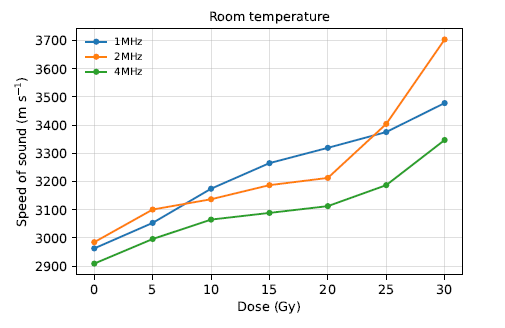
Poly(N-vinylcaprolactam) (PNVCl) polymer gels have recently been proposed for radiation dosimetry; however, their ultrasound response remains inadequately defined. This study assessed the feasibility of …
-
 1111 290 Cited —
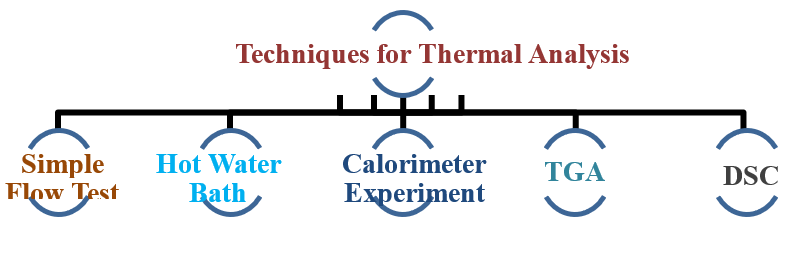
Thermal stability is an essential feature required for practical applicability of gel dosimeters in radiation therapy planning system (TPS). This study pioneers a comprehensive experimental study of …
Notice
-
 333 0 Cited —
The Editor and Publisher of the Journal of the Nigerian Society of Physical Sciences hereby issue this formal retraction notice for the article titled “Preparation and Characterization of High …
-
 324 0 Cited —
The Editor and Publisher of the Journal of the Nigerian Society of Physical Sciences hereby issue this formal retraction notice for the article titled “Fractional-order modeling of visceral …